

What is tympanometry and how is it used?
What is tympanometry and how is it used?
Determining the type and cause of your hearing loss can be like a putting together a puzzle, and the many tests that make up a thorough hearing evaluation are like pieces to that puzzle. Often used to assess the function of the middle ear, tympanometry is one test that can determine whether your hearing loss can be helped by hearing aids or whether a medical treatment is available to treat your loss instead. The results of tympanometry are represented on a graph called a tympanogram.
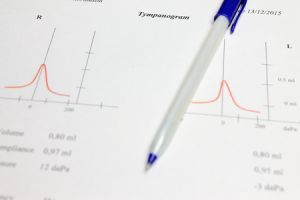
a diagnostic hearing evaluation.
A tympanogram is a graphic representation of the relationship between the air pressure in the ear canal and the movement of the eardrum, or tympanic membrane, and the tiny bones in the air-filled middle ear space. When the eardrum is disturbed by a sound, part of the sound is absorbed and sent through the middle ear while the other part of the sound is reflected. The information derived from tympanometry provides additional information regarding middle ear function, especially Eustachian tube function.
How tympanometry is performed
Tympanometry can be performed either in a hearing healthcare professional’s or a doctor’s office. First, the clinician will do a visual inspection of your ear canal and eardrum using a lighted scope (otoscope) placed in the ear. Then, a probe with a flexible rubber tip will be placed in your ear. The probe will cause the air pressure in your ear canal to change as you hear some low-pitched tones. The feeling can be similar to the pressure changes felt during takeoff and landing when you’re on a plane. While the pressure is changing, measurements of your eardrum’s movement will be taken and recorded.
What the results mean
In children, tympanometry is typically performed to document or rule out the presence of fluid in the middle ear, a middle ear infection, a hole in the ear drum (perforation) or Eustachian tube dysfunction. Even if a child has normal hearing, the tympanogram can provide further information regarding fluid or middle ear concerns.
The tympanogram is an important test for adults and children who are seeking medical clearance for hearing aids. The presence of fluid behind the eardrum is the most common cause of an abnormal tympanogram. Fluid in the middle ear space prevents the eardrum from moving and transmitting sound properly, and this condition is nearly always temporary and medically treatable. If you have fluid in your ear, you may not need hearing aids to correct your hearing loss, but you should consult with your physician and hearing health professional to determine the best course of action.
What is tympanometry and how is it used?
![What is tympanometry and how is it used?]() Reviewed by Kurdistan-Audiology
on
May 10, 2018
Rating:
Reviewed by Kurdistan-Audiology
on
May 10, 2018
Rating:


No comments: